
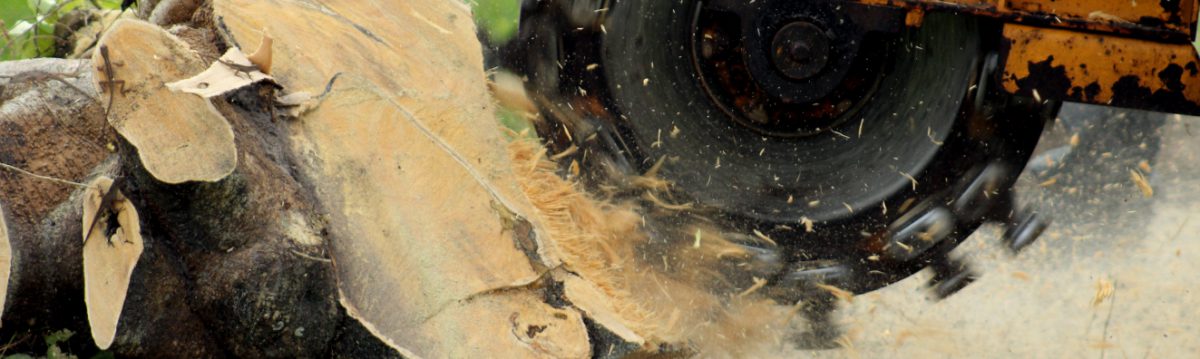
Stump Safety, Pests & Disease Canberra
Safety, Pests & Disease Prevention: Why Professional Stump Removal is Essential in Canberra
Understanding the Hidden Dangers of Tree Stumps
Tree stumps aren’t just unsightly remnants—they’re potential hazards waiting to cause serious problems for your Canberra property. While many property owners view stump removal as purely a cosmetic decision, the reality is far more serious. Dead and decaying stumps create conditions that attract destructive pests, facilitate the spread of plant diseases, and pose genuine safety risks to your family and your home’s structural integrity.
At Synergetic Services, we’ve removed hundreds of stumps across Canberra and the ACT, and we’ve seen firsthand the damage that occurs when property owners underestimate these hidden dangers. This guide explains what you need to know about the safety, pest, and disease risks associated with tree stumps—and why professional removal is the most effective solution.
The Termite Risk: Your Home’s Greatest Threat
Why Tree Stumps Attract Termites
Termites are nature’s wood recyclers, and a decaying tree stump is their ideal workplace. Tree stumps offer everything termites need to establish thriving colonies: a readily available food source (cellulose-rich wood), consistent moisture retention, shelter from predators, and protection from the weather.
The problem isn’t just the stump itself—it’s the pathway it creates to your home and other wooden structures on your property.
The risks are serious:
- One stump can house thousands of termites. A single tree stump can support massive termite colonies that expand outward seeking additional food sources.
- Termites spread to nearby structures. Once established in a stump, termite colonies naturally extend their territories to nearby wooden elements: your home’s structural timber, fences, decking, garden sheds, and outdoor furniture.
- The damage occurs silently. Termites work inside wood, making damage difficult to detect until structural integrity is already compromised.
- Repair costs are catastrophic. Termite damage to homes in Australia can exceed thousands or more to remediate, often not covered by household insurance.
Termite Risk in the ACT
Canberra’s climate—with its cool winters and moderate rainfall—creates conditions where termites remain active year-round, particularly in soil with decent moisture retention. While the ACT experiences less termite pressure than Sydney (which ranks in CSIRO’s second-highest risk category), the risk is still significant, especially in properties with tree stumps providing direct pathways from soil to structures.
Early Warning Signs of Termite Activity
Professional stump removal is the best prevention, but watch for these warning signs of active infestation:
- Mud tubes on walls, foundations, or wooden structures
- Hollow-sounding timber when tapped
- Bubbling, peeling, or blistering paint on wooden surfaces
- Sagging floors or sticking doors/windows
- Visible maze-like patterns or galleries in wood
- Winged termites (swarmers) appearing in spring
If you notice any of these signs around a tree stump or near your home, contact a termite specialist immediately for inspection.
Fungal Diseases: The Silent Tree Killer
Armillaria Root Rot (Australian Honey Fungus)
Beyond termites, tree stumps create ideal conditions for dangerous fungal diseases. The most significant threat in southern Australia is Armillaria luteobubalina, commonly known as Australian honey fungus or bootlace fungus.
What Armillaria root rot does:
Armillaria is a pathogenic fungus that attacks and kills the roots of susceptible trees and shrubs, causing a fatal disease known as Armillaria Root Rot (ARD). The fungus is widespread in southern Australia and is a primary cause of Eucalyptus tree death and forest dieback—making it particularly relevant to Canberra’s native vegetation.
How tree stumps facilitate spread:
- The fungus survives indefinitely in dead roots and stumps
- It spreads from infected trees to nearby healthy trees through direct root contact
- Tree stumps maintain the moist conditions the fungus requires to remain active
- Root systems extend underground, potentially connecting with healthy trees across your property
Visible symptoms of Armillaria infection:
- Clusters of honey-coloured mushrooms appearing at or near the base of trees (particularly visible in autumn)
- Fruiting bodies appearing above the soil near infected roots
- Yellowing leaves and stunting of growth
- Limb dieback
- Rotted roots with creamy-white felt-like fungal mycelium beneath the bark
- Dark bootlace-like fungal strands (rhizomorphs) visible in soil or attached to roots
- Sudden tree death, often when hot weather arrives
The Canberra Connection
Canberra’s mix of native and ornamental vegetation, combined with variable rainfall patterns, creates conditions where fungal diseases can establish and spread. The ACT’s cool climate actually extends the disease activity window compared to warmer regions, meaning Armillaria infections can remain active throughout more of the year.
Other Fungal Risks
While Armillaria is the most significant fungal threat, tree stumps can also harbour:
- White rot fungi (causing wood decay and weakening)
- Root rot pathogens that spread to nearby healthy vegetation
- Bracket fungi (fruiting bodies that indicate active decay)
Safety Hazards: The Immediate Physical Risks
Beyond pests and disease, tree stumps present direct safety dangers to your family and property.
Trip and Fall Hazards
Tree stumps are significant injury risks, particularly for:
- Young children who don’t see or understand the hazard
- Elderly residents with balance difficulties
- Pets running and playing in the yard
- Visitors unfamiliar with your property layout
Over time, grass and leaves naturally conceal stumps, increasing the risk of accidental falls and serious injuries. A hidden stump can cause:
- Fractures and broken bones
- Head injuries
- Ankle sprains
- Cuts and lacerations
The risk is especially acute during evening hours or in poor weather conditions when visibility decreases.
Root System Hazards:
Below-ground, remaining root systems present their own dangers:
- Tripping hazards from exposed roots spreading across the surface
- Structural damage as large root systems cause ground settling and uneven surfaces
- Underground utility risks when attempting DIY removal without locating buried water, gas, or electrical lines
Regrowth and Secondary Hazards
If a stump isn’t properly removed, it will often regenerate multiple shoots. These multiple stems create:
- Congested, weak growth that’s prone to storm damage
- Branches that may fail and fall unexpectedly
- Dangerous splitting patterns as multiple trunks grow
Property Damage and Landscape Obstruction
Beyond safety and biological threats, tree stumps create practical problems:
- Landscape limitations: Stumps prevent full use of your yard for gardens, paving, or structures
- Mowing difficulties: Stumps require careful navigation around during lawn maintenance
- Uneven surfaces: Exposed root systems create tripping hazards and mowing hazards
- Aesthetic impact: Stumps detract from property appearance and curb appeal
- Property value: Neglected stumps suggest poor property maintenance and can reduce home value
Get Your Free Professional Assessment
Don’t let a tree stump become a long-term liability. Contact Synergetic Services for a free consultation and professional assessment of your stump’s specific risks.
Call 0438 133 050 or email admin@synergeticservices.com.au to discuss your situation. We’ll provide a detailed assessment, recommend the best removal approach for your property, and give you a fixed-price quote with no hidden costs.
Your Canberra property deserves professional care. Remove the stump, eliminate the risks, and protect your home.